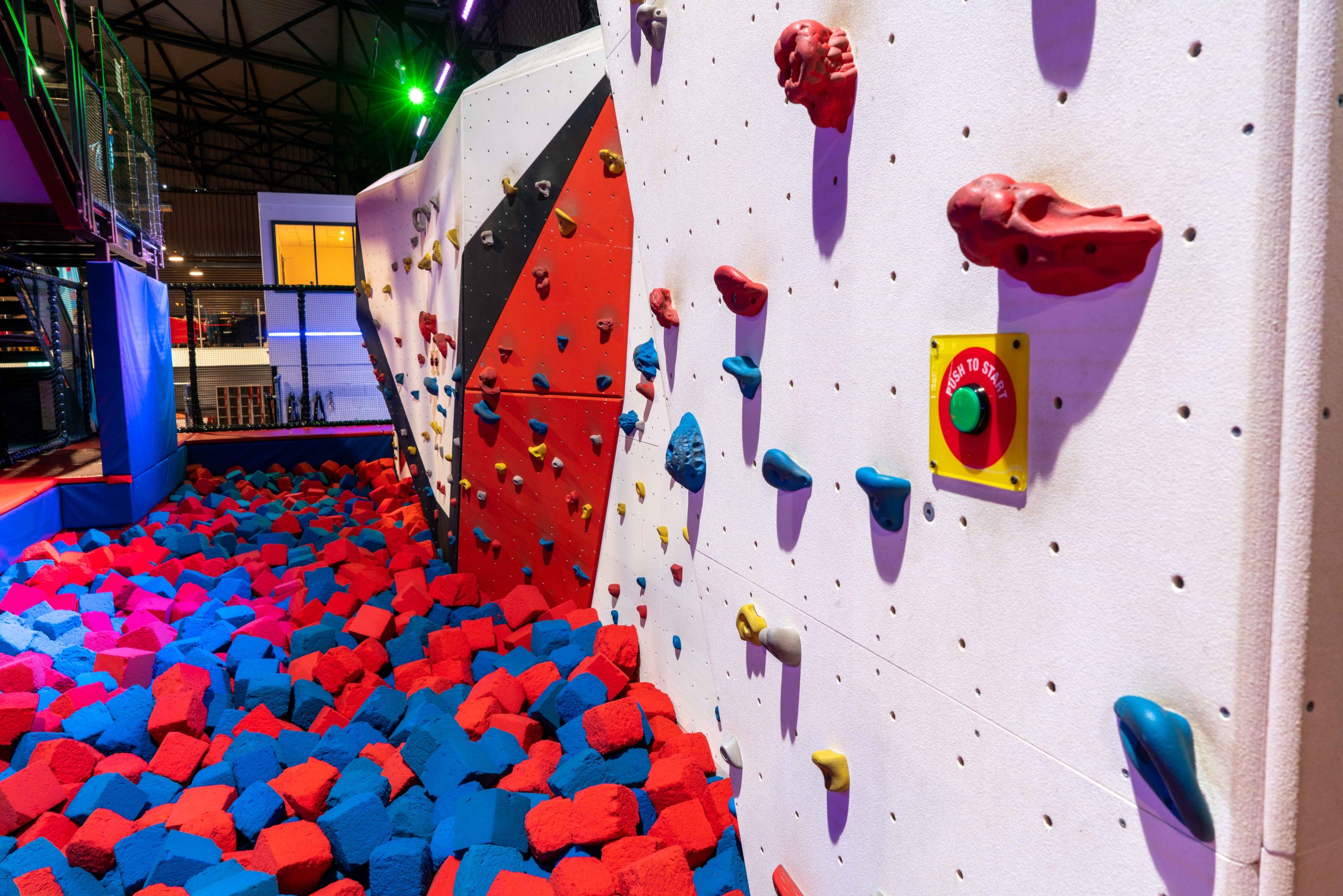

Keeping children active can sometimes be challenging, especially when traditional sports do not appeal to them. Many parents look for fun ways to keep kids active without the pressure of competitive team environments.
Trampolining offers a playful way for children to move their bodies, build strength and develop coordination. For families looking for indoor activities in Carlisle or things to do in Carlisle with kids during wet weather, trampoline sessions can provide an energetic and engaging option.
At a structured indoor trampoline park, jumping becomes more than just fun. It can also support important physical development as children grow.
1. A fun way to support cardiovascular fitness
Jumping repeatedly on a trampoline raises the heart rate and encourages steady breathing, which helps support cardiovascular fitness.
For children who may not enjoy running laps or organised sports, trampoline sessions can feel more like play than exercise. Yet the constant movement involved means the heart and lungs are working throughout the session.
Because children naturally jump, bounce and move in different directions, trampolining can be a simple form of cardio exercise for kids that feels exciting rather than repetitive.
2. Building balance and coordination
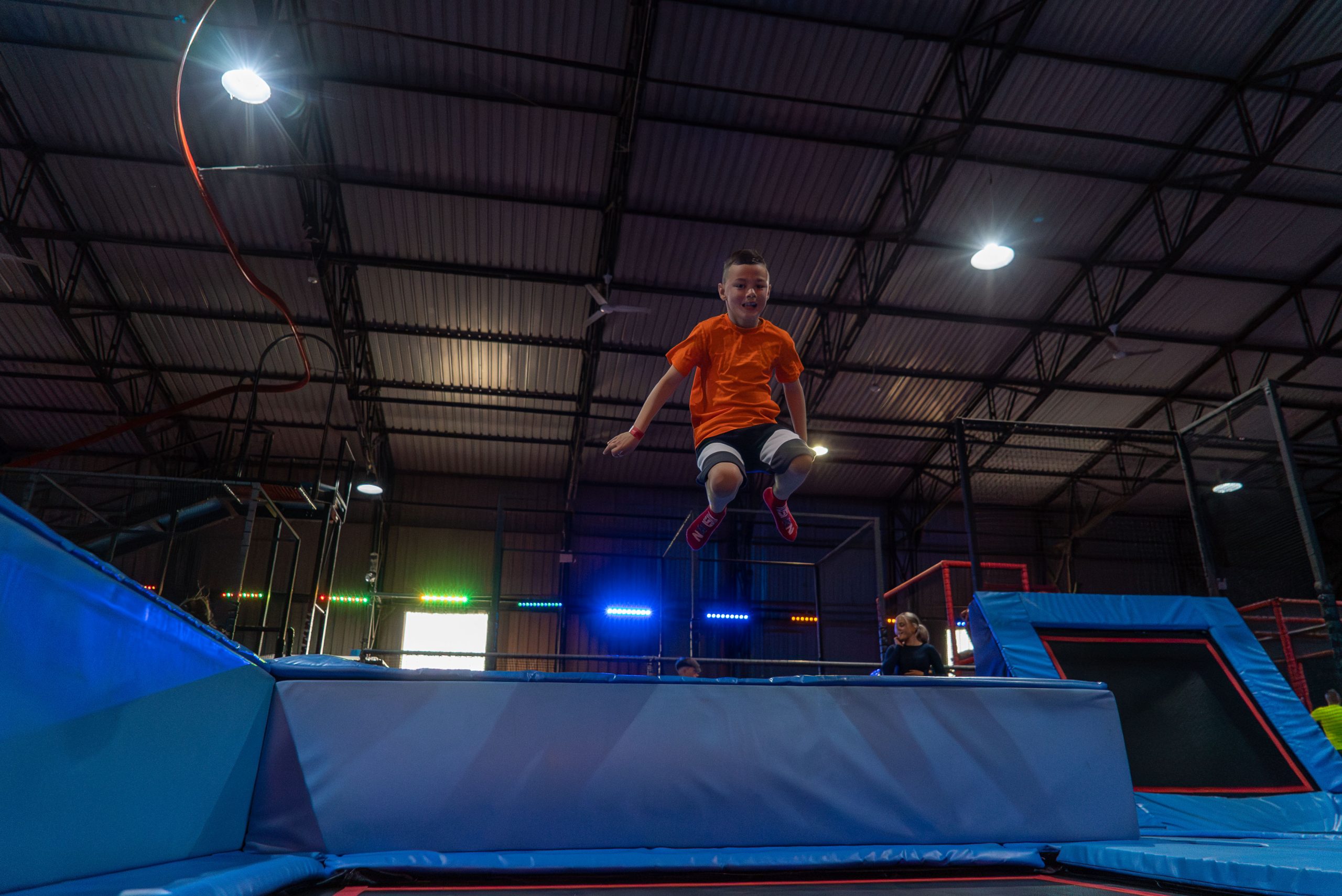
One of the most noticeable benefits of trampolining for children is the way it develops balance and coordination.
Each jump requires the body to adjust to changing movement and position. Children learn to control their landing, maintain balance and adjust their posture as they bounce.
Over time, this helps improve:
- Spatial awareness
- Body control
- Timing and coordination
- Confidence in movement
These skills are useful not only for sports but also for everyday activities and other balance and coordination activities for children.
3. Strengthening core muscles
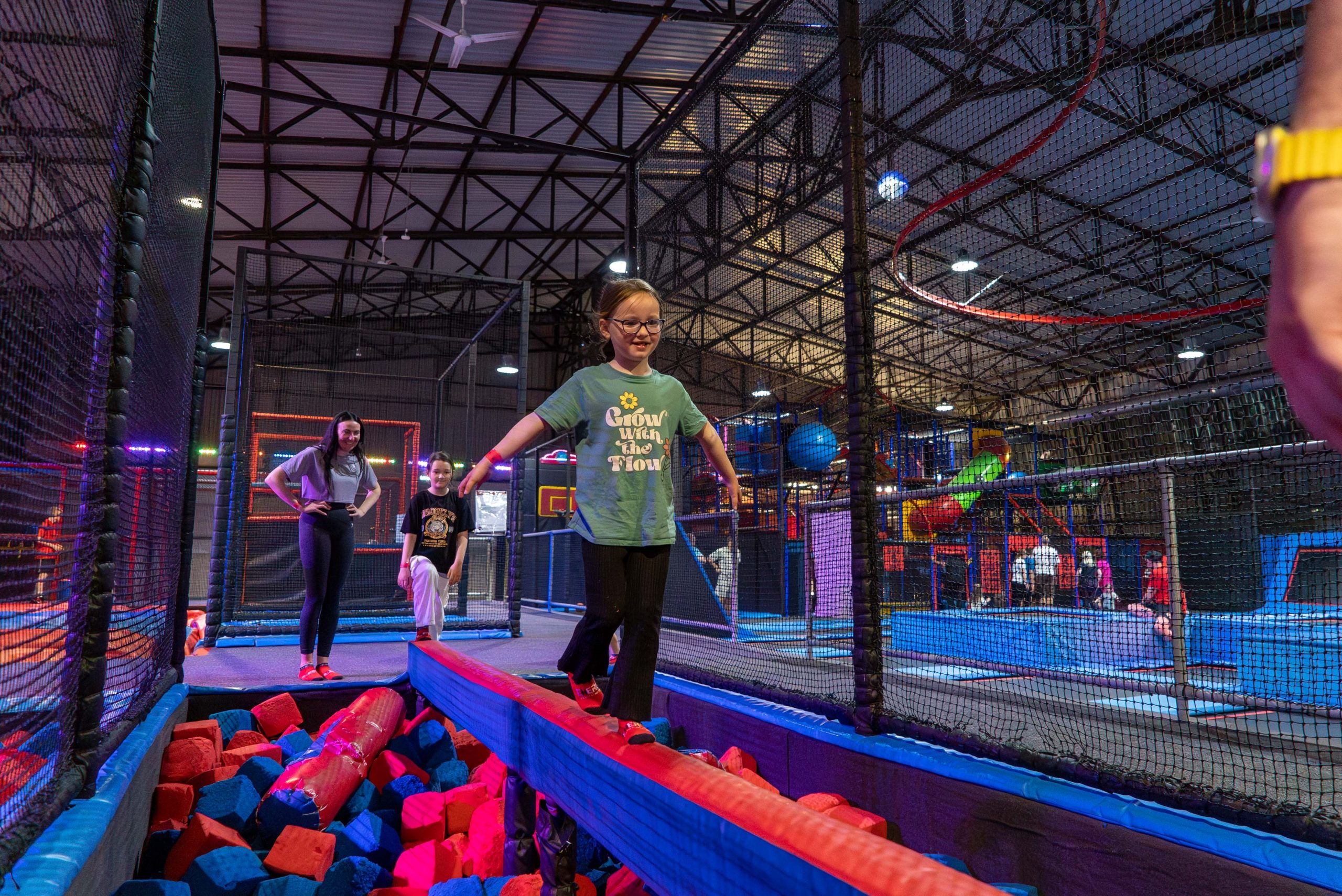
While trampolining looks effortless, the body is constantly working to stay stable during each bounce.
The core muscles, including the abdomen and lower back, play an important role in maintaining balance and posture. As children jump and land repeatedly, these muscles become more engaged.
Regular active play on trampolines can help support core strength exercises for children in a natural, playful way.
4. Engaging the legs and lower body
Trampoline jumping relies heavily on the muscles in the legs.
Each jump uses the quadriceps, hamstrings and calf muscles to push off and control the landing. This repeated movement helps develop lower-body strength while also improving stability.
Because the activity involves continuous motion, children can build strength and endurance without needing structured workout routines.
5. Supporting bone development through active play
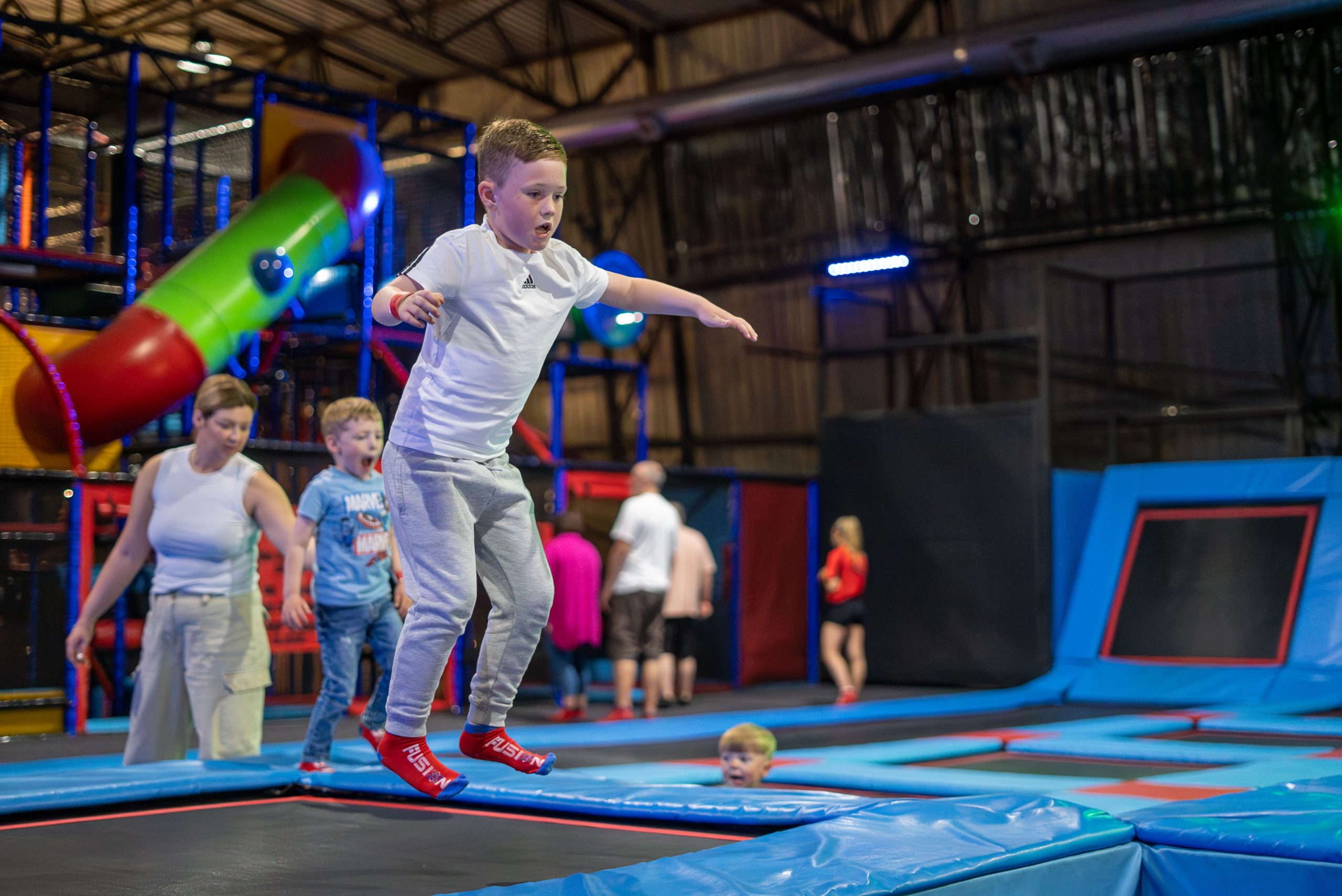
Activities that involve jumping and landing encourage the body to respond to gentle weight-bearing movement.
This type of activity can play a role in supporting healthy bone development during childhood. Trampolining provides a playful way for children to experience this type of movement while staying engaged in the activity.
It is one of many healthy activities for kids indoors that encourage movement rather than long periods of sitting.
6. Improving stamina and endurance
Trampoline sessions often involve sustained periods of jumping, climbing and moving around the activity area.
Over time, this can help children develop stamina as their bodies become more comfortable with regular physical activity.
Children who attend trampoline sessions regularly often find that they can stay active for longer periods while still enjoying the experience.
7. Encouraging energetic, active play
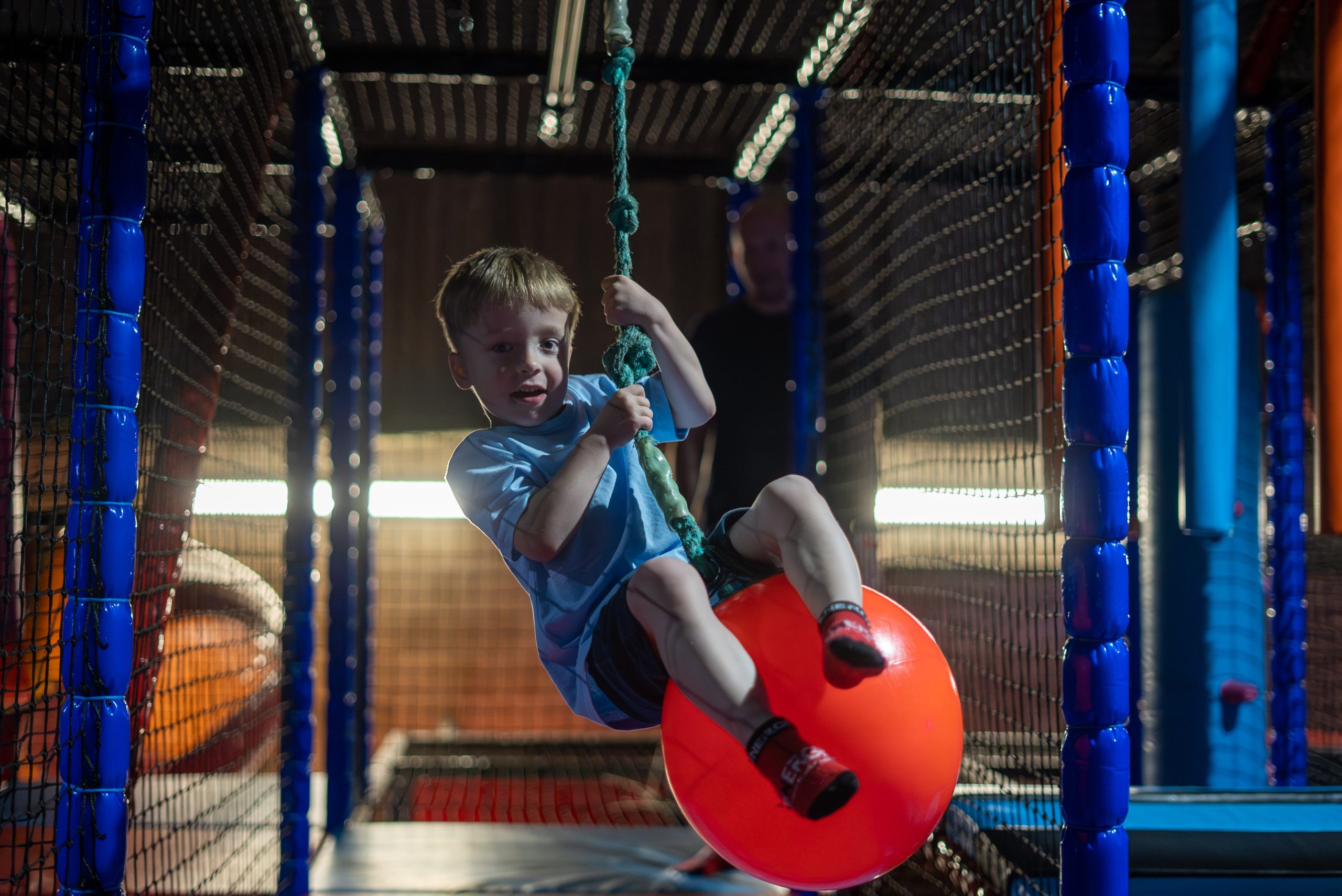
Perhaps the most important benefit is that trampolining encourages children to move naturally.
Many children are drawn to the excitement of bouncing, flipping and experimenting with movement.
Because the activity feels playful and social, they often remain active for longer than they might during other forms of exercise.
This makes trampolining one of the most engaging fun ways to keep kids active, particularly when the weather limits outdoor play.
Why supervised trampoline sessions matter
While trampolining offers many physical benefits, the environment in which children jump also matters.
At a well-managed indoor trampoline park, sessions are structured and supervised to help children enjoy the activity safely. Staff monitor the arena, provide guidance where needed and ensure visitors follow clear safety rules.
If you would like to understand more about what makes a good Trampoline Park, you can read our guide to What makes a Good Trampoline Park?
Trampolining can also support confidence, social interaction and enjoyment of physical activity. These aspects are explored further in our guide to the Mental and social benefits of trampolining.
Active indoor play for families in Carlisle
For families searching for an indoor trampoline park or planning indoor activities Carlisle offers during rainy days, trampoline sessions provide an energetic alternative to screen time.
Children can move freely, develop physical skills and enjoy active play in a structured environment designed for families.
If you are exploring a trampoline park that Carlisle families regularly visit, you can learn more about Fusion Jump trampoline sessions and what to expect during a visit.
Helping children stay active through play
The physical benefits of trampolining for children go far beyond simple bouncing.
Through energetic jumping and movement, children can develop:
- Cardiovascular fitness
- Balance and coordination
- Core and lower-body strength
- Stamina and endurance
- Confidence in physical movement
When these benefits are combined with a structured and supervised environment, trampoline sessions can become a valuable part of a child’s active lifestyle.
Discover Fusion Carlisle trampoline sessions
If you are looking for fun ways to keep kids active while enjoying safe, structured indoor play, explore Fusion Carlisle and discover how trampoline sessions can support healthy, energetic activity for families in Carlisle.
FAQs
Is trampolining good exercise for children?
Yes, trampolining can be a very active form of play. Jumping repeatedly raises the heart rate, works multiple muscle groups and helps children build stamina while enjoying themselves.
What muscles does trampolining work in kids?
Trampolining primarily engages the leg muscles, including the quadriceps, hamstrings and calves, while also activating core muscles that help maintain balance and stability.
Does trampolining improve balance and coordination?
Yes. Because children must control their body position while jumping and landing, trampolining naturally supports the development of balance, coordination and spatial awareness.
Is trampolining considered weight-bearing exercise?
Jumping and landing involve the body supporting its own weight during movement. This type of activity can contribute to healthy physical development as children grow.
How often can children trampoline as exercise?
Frequency can vary depending on the child’s age and activity level. Many families include trampoline sessions as part of a balanced mix of active play, sports and outdoor activities.